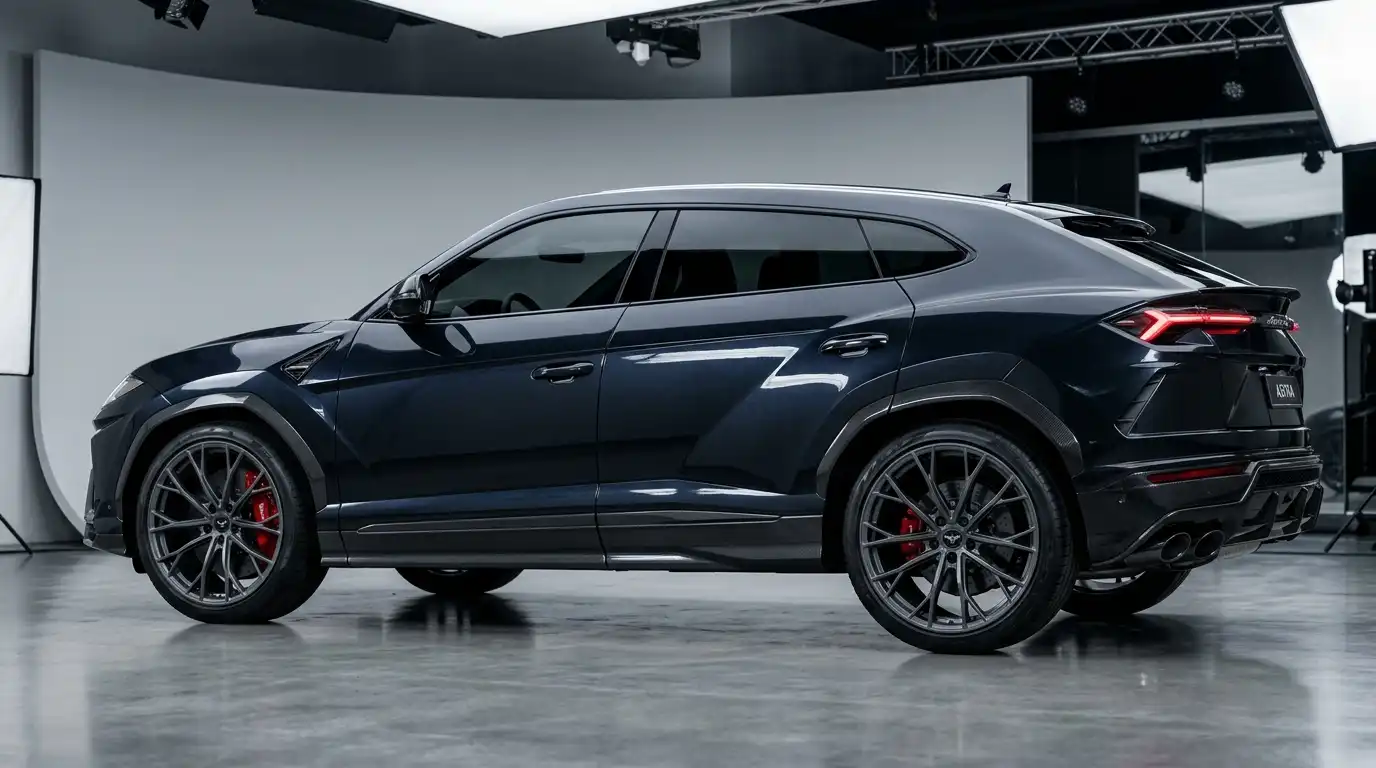
Walk around any auto show or local dealership today, and one design trend immediately catches your eye: vehicles look lower, wider, and vastly more aggressive than they did two decades ago. From compact crossovers to performance coupes, side windows have shrunk into narrow slits while sheet metal has climbed higher up the body. This defining aesthetic feature is known in automotive styling as the high beltline.
While high beltlines give vehicles an athletic posture and muscular presence, they have created a growing real-world challenge: compromised driver sightlines. As form continues to challenge function, automakers find themselves navigating a complex intersection of aesthetic demands, crash safety mandates, and technological workarounds.
Here is a deep dive into the high-beltline dilemma, why window space is disappearing, and how advanced sensors are bridging the visual gap.
1. The Rise of the High Beltline
The beltline of a vehicle is the imaginary line where the bottom edge of the side windows meets the top edge of the metal body panel. In the 1980s and 1990s, beltlines were exceptionally low. Sedans and station wagons featured upright glass, thin roof pillars, and expansive window area, offering expansive, panoramic sightlines in every direction.
However, two major forces transformed automotive styling starting in the mid-2000s:
- Crash Safety Mandates: To protect occupants during side-impact collisions and rollover accidents, safety agencies pushed for stronger doors and reinforced roof structures. The Insurance Institute for Highway Safety (IIHS) introduced stricter roof-strength and side-impact testing standards. Automakers responded by raising door heights to pack in structural reinforcement and enlarging A-, B-, and C-pillars to house curtain airbags and high-strength steel.
- Design Aesthetics: Consumers began favoring sporty, chopped-roof profiles. Raising the body metal relative to the glass area creates a visual sense of strength, speed, and privacy. The result is the modern coupe-like profile seen even on full-sized family SUVs.
While these changes significantly improved cabin structural integrity in high-speed crashes, they simultaneously created a new challenge at lower speeds: reduced direct visibility.
2. The Blind Spot Trade-Off
Shrinking the glass area while thickening roof pillars creates several distinct visibility challenges for the driver:
Thicker A-Pillars & Frontal Blind Zones
Modern A-pillars (the roof supports framing the windshield) are significantly wider than their predecessors because they house airbags and ultra-high-strength steel. On winding roads or during city turns, a thick A-pillar can easily obscure an entire pedestrian, cyclist, or oncoming vehicle entering an intersection.
Rising Rear Shoulders & C-Pillar Obstructions
The trend toward sloping rooflines and high rear haunches creates substantial blind zones over the driver’s shoulders. Reversing out of a parking space using only traditional side and rearview mirrors often leaves large areas behind the rear quarters completely invisible.
Higher Front Hoodlines
To meet pedestrian safety regulations and fit larger front grilles, hoodlines on modern SUVs and trucks have risen considerably. According to research highlighted by the National Highway Traffic Safety Administration (NHTSA), taller front-end designs increase front blind zones directly ahead of the bumper, making low-lying obstacles harder to spot without auxiliary aids.
3. How Automotive Tech Is Filling the Visual Gap
Because designers and safety engineers are unlikely to revert to thin pillars and large glass boxes, automakers are increasingly turning to advanced electronic systems to restore spatial awareness.
Digital Rearview Mirrors & HD Camera Arrays
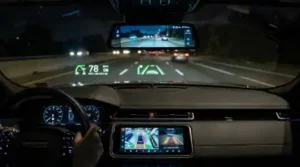 Traditional glass mirrors are limited by interior cargo, rear headrests, and small rear windshields. Digital rearview mirrors solve this by streaming high-definition video directly from a camera mounted on the rear hatch. This provides an unobstructed, wide-angle view behind the vehicle regardless of interior clutter or high rear decklines.
Surround-View & “Transparent Hood” Camera Systems
Multi-camera setups synthesize views from the front, rear, and side mirrors to generate a seamless 360-degree top-down display on the infotainment screen. Premium off-road and luxury crossovers take this further with virtual “transparent hood” tech, processing ground images to show drivers what lies directly beneath the vehicle’s front wheels.
Active Radar & Blind-Spot Monitoring
When physical vision is restricted, radar-based Blind-Spot Monitoring (BSM) and Rear Cross-Traffic Alert (RCTA) systems act as secondary visual safeguards. These sensors continuously scan adjacent lanes and trigger visual indicators on the side mirrors—or provide steering feedback—if a lane change is initiated while an object is hidden in a blind zone.
Augmented Reality (AR) Heads-Up Displays
Next-generation AR HUDs project navigation prompts, lane markings, and pedestrian detection highlights directly onto the windshield inline with the driver’s line of sight, keeping their eyes focused straight ahead without needing to glance around thick cabin pillars.
4. The Future: Balancing Form, Function, and Autonomy
As sensor technology improves and camera resolutions increase, designers gain more freedom to experiment with bold vehicle shapes. Looking ahead, camera-based side mirrors (already appearing in select international markets) replace traditional side mirrors with compact exterior cameras, reducing aerodynamic drag while feeding clean interior displays that eliminate side blind spots entirely.
Ultimately, the high beltline is here to stay. High door panels provide a feeling of cabin security and sleek proportions that buyers prefer. However, hardware alone no longer defines automotive safety. Through the combination of structural engineering and sensor tech, modern vehicles preserve striking design aesthetics while maintaining high standards for driver situational awareness.