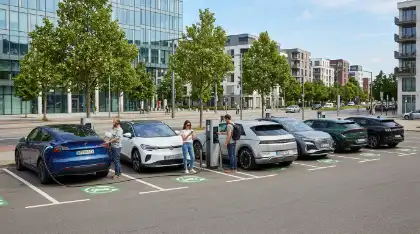
The electric vehicle (EV) market in the United States is undergoing a major transformation in 2026. After years of explosive growth and high expectations, a variety of factors — including the expiration of federal tax incentives, shifting consumer preferences, and manufacturing adjustments — have led to significant changes in the industry. Several popular EV models have been discontinued, while a new wave of competitors, including mainstream options like the Rivian R2, is entering the market. In this article, we’ll take a deep dive into the major shifts taking place in the U.S. EV market, and what they mean for drivers, manufacturers, and the future of electric mobility.
Why Major EV Models Are Being Discontinued
 Over the past few years, EV sales in the U.S. skyrocketed as automakers introduced a variety of new models in hopes of capitalizing on the growing demand for electric cars. However, despite the initial enthusiasm, some automakers have made the decision to discontinue certain EVs due to slow sales, high production costs, and a rapidly changing market landscape.
In 2026, several high-profile electric models were dropped from automaker lineups, signaling a shift in strategy. Vehicles like the Ford F-150 Lightning, Acura ZDX, Nissan Ariya, and the Volkswagen ID. Buzz have been axed from the U.S. market, and others like Hyundai and Kia’s EVs have faced delays or halts in production. This discontinuation trend is largely due to a combination of factors, including:
- Expiration of EV Tax Incentives: In 2025, the federal tax incentives that helped fuel the growth of EV sales in the U.S. expired, causing a sharp dip in demand for certain models. This has made it harder for automakers to justify continuing production of some EVs without the added benefit of these financial incentives.
- Rising Production Costs: Many of the early electric models introduced in the U.S. had high manufacturing costs due to expensive battery technology and materials. As automakers adjust their supply chains and reduce reliance on premium components, some EVs with limited sales potential have been phased out.
- Changing Consumer Preferences: The market for electric vehicles has matured, and consumers are becoming more discerning about their EV purchases. Many early adopters were drawn to luxury and performance models, but now, affordability and practicality are the key factors driving purchasing decisions. Automakers are pivoting toward models that can meet this new demand.
The Emergence of Rivian and Other New Competitors
While several established EV models have been discontinued, new players are entering the U.S. market with models that are designed to appeal to a broader audience. The Rivian R2, a new electric SUV, is one of the most anticipated models of 2026. Rivian, which has previously catered to high-end buyers with the R1T and R1S, is now shifting its focus toward producing a more affordable, mainstream vehicle. The R2 will start at approximately $45,000 — a significant reduction from the company’s previous offerings, which have been priced over $70,000.
The Rivian R2 is set to compete directly with the popular Tesla Model Y and other midsize SUVs. The vehicle offers a solid range of 300 miles on a single charge and a 0–60 mph time of under 6 seconds, making it a competitive option in the growing market for affordable EVs. The launch of the R2 is significant because it signals that Rivian is positioning itself as a serious contender in the electric vehicle space, aiming to appeal to the average consumer rather than just enthusiasts and luxury buyers.
Other automakers are also following suit. Lucid Motors, BYD, and Hyundai are all expected to unveil new midrange electric models in 2026, further expanding the variety of choices available to U.S. consumers. These models will feature advanced technology, long-range capabilities, and competitive pricing, which should help drive the next wave of EV adoption in the U.S.
What This Means for American Drivers
The ongoing shakeout in the U.S. EV market has several important implications for consumers:
- More Affordable Options: With the arrival of models like the Rivian R2, American drivers can expect more affordable EV options that offer strong performance and range. The price of electric vehicles is expected to continue falling as more manufacturers enter the market and economies of scale are realized.
- Increased Availability of Used EVs: As discontinued models enter the secondary market, there will be more used EVs available for purchase at lower prices. This is good news for buyers who want to make the switch to electric without the high upfront cost.
- Hybrids and Plug-in Hybrids Gain Traction: For drivers who are hesitant to make the full transition to electric vehicles, hybrid and plug-in hybrid models will remain a popular option. Many automakers are focusing on these vehicles as a way to bridge the gap between internal combustion engine (ICE) vehicles and full EVs.
The Long-Term Outlook for the U.S. EV Market
Despite the discontinuation of certain models, the overall outlook for the U.S. EV market remains positive. As new players like Rivian and Lucid Motors ramp up production, consumers will have more choices, and the overall affordability of EVs will continue to improve. Additionally, the Biden administration’s push for increased investment in charging infrastructure, tax incentives for EV buyers, and clean energy initiatives will help make electric vehicles more accessible to a broader audience.
It’s also worth noting that the move toward electrification in the U.S. is part of a global shift. Many automakers, including Ford, GM, and others, have committed to electrifying their fleets over the next decade. With improved battery technology, greater range, and lower prices, EVs are expected to become the dominant form of transportation in the U.S. by the 2030s.